
Your Friendly Solar Panel Setup Guide: A Comprehensive Guide to Solar Panel Installation
Switching to solar energy is a fantastic way to save money and help the environment. If you’re a homeowner in Connecticut, you’re in a great spot to take advantage of solar power. The sun shines plenty here, and with the right setup, you can reduce your utility bills significantly. I’m here to walk you through everything you need to know about installing solar panels on your home. Let’s dive into this solar panel setup guide and make your transition to clean energy smooth and straightforward.
Why Choose Solar Energy in Connecticut?
Before we get into the nuts and bolts of installation, let’s talk about why solar energy is a smart choice for you. Connecticut offers several benefits for homeowners who want to go solar:
Energy Savings: Solar panels can cut your electricity bills by generating your own power.
Incentives and Rebates: The state offers various incentives that make solar more affordable.
Environmental Impact: Solar energy reduces your carbon footprint and helps fight climate change.
Increased Home Value: Homes with solar panels often sell for more.
By choosing solar, you’re not just saving money—you’re investing in a cleaner, greener future for your family and community.

Step-by-Step Solar Panel Setup Guide
Now, let’s get into the heart of the matter: how to install solar panels on your home. I’ll break it down into easy steps so you can follow along or discuss confidently with your installer.
1. Assess Your Home’s Solar Potential
Start by evaluating your roof’s suitability for solar panels. Here’s what to consider:
Roof Orientation: South-facing roofs get the most sun.
Roof Condition: Make sure your roof is in good shape; solar panels last 25+ years.
Shade: Trees or buildings that block sunlight can reduce efficiency.
Roof Size: More space means more panels and more energy.
You can use online tools or get a professional assessment to determine your home’s solar potential.
2. Understand Your Energy Needs
Look at your past electricity bills to understand how much energy you use. This helps you decide how many panels you need. Remember, solar systems can be customized to cover all or part of your energy consumption.
3. Choose the Right Solar Panels and Equipment
There are different types of solar panels:
Monocrystalline: High efficiency, sleek look, usually more expensive.
Polycrystalline: Slightly less efficient but more affordable.
Thin-film: Lightweight and flexible but less efficient.
You’ll also need an inverter to convert solar energy into usable electricity and a mounting system to secure the panels.
4. Obtain Permits and Approvals
Before installation, check with your local government and utility company. You’ll likely need permits and inspections to ensure everything meets safety and building codes.
5. Installation Day
On installation day, the crew will:
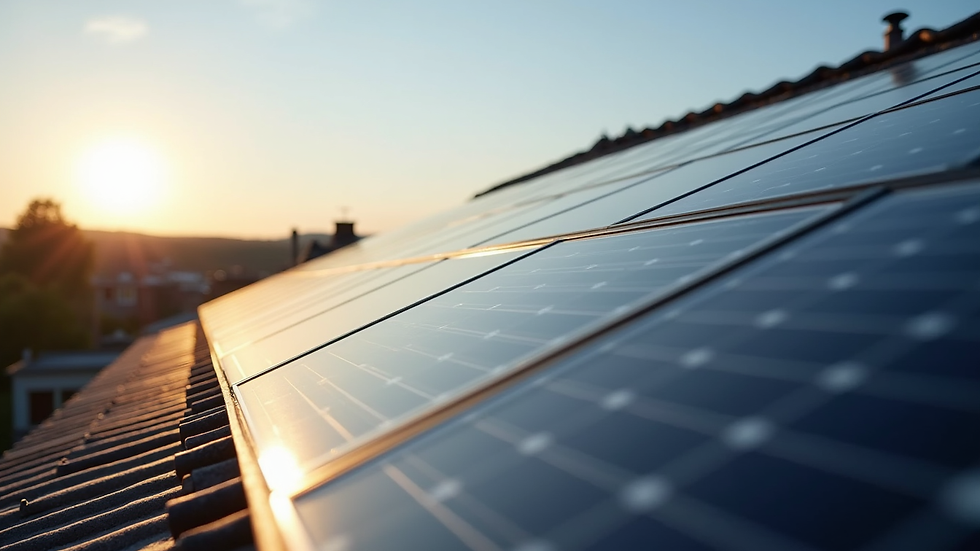
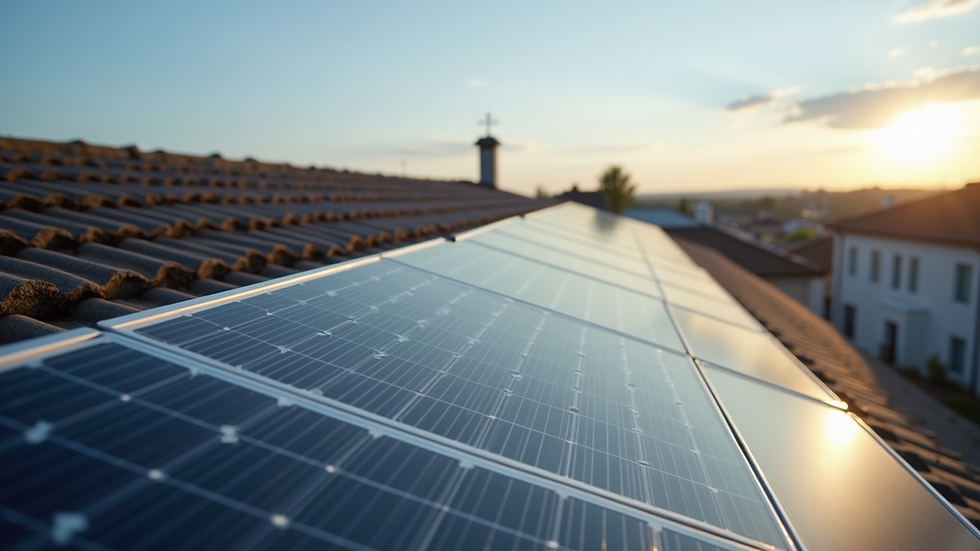
Mount the panels on your roof.
Connect the panels to the inverter.
Link the system to your home’s electrical panel.
Test the system to make sure it works properly.
Installation usually takes 1-3 days depending on system size.

What to Expect After Installation
Once your solar panels are up and running, here’s what happens next:
Inspection and Approval: A final inspection ensures everything is safe and up to code.
Net Metering Setup: Your utility company will install a meter that tracks how much energy you send back to the grid.
Start Saving: Your solar system begins generating electricity, reducing your bills immediately.
Maintenance: Solar panels require minimal upkeep—just occasional cleaning and inspections.
Tips for Maximizing Your Solar Investment
To get the most out of your solar panels, keep these tips in mind:
Monitor Your System: Use apps or monitoring tools to track energy production.
Energy Efficiency: Combine solar with energy-saving habits like LED lighting and smart thermostats.
Stay Informed: Keep up with local incentives and programs that can boost your savings.
Consider Battery Storage: Adding batteries lets you store excess energy for use at night or during outages.
Ready to Go Solar? Here’s How to Start
If you’re feeling excited about solar energy, the best next step is to get a personalized quote and consultation. A professional installer can help you design a system tailored to your home and budget.
For a detailed walkthrough, check out this solar panel installation guide that covers everything from start to finish.
By choosing solar, you’re making a smart investment in your home and the planet. It’s easier than ever to get started, and the benefits will last for decades. Let’s make your home a shining example of sustainability!
If you want to learn more or have questions about solar panel installation, feel free to reach out. I’m here to help you every step of the way on your solar journey.

Comments