
How Much Can Solar Panels Save You? Exploring Solar Energy Cost Savings
If you’ve been thinking about switching to solar power, you’re probably wondering: how much can solar panels save you? It’s a smart question, especially if you want to make a solid investment that benefits both your wallet and the environment. Solar energy cost savings can be significant, but they depend on several factors. Let’s dive into the details so you can make an informed decision about going solar.
Understanding Solar Energy Cost Savings
Solar panels convert sunlight into electricity, which means you can generate your own power instead of relying solely on your utility company. This can lead to lower electricity bills and even some extra benefits like tax credits or incentives.
Here’s how solar energy cost savings typically work:
Reduced monthly electricity bills: By producing your own electricity, you buy less from the utility.
Net metering credits: In many places, excess energy you generate can be sent back to the grid, earning you credits.
Increased home value: Solar panels can boost your property’s market value.
Protection against rising energy costs: Solar helps you lock in lower energy costs over time.
The exact amount you save depends on your home’s energy use, the size of your solar system, and local electricity rates. For example, a typical Connecticut homeowner might see a reduction of 50% to 70% on their electricity bills after installing solar panels.
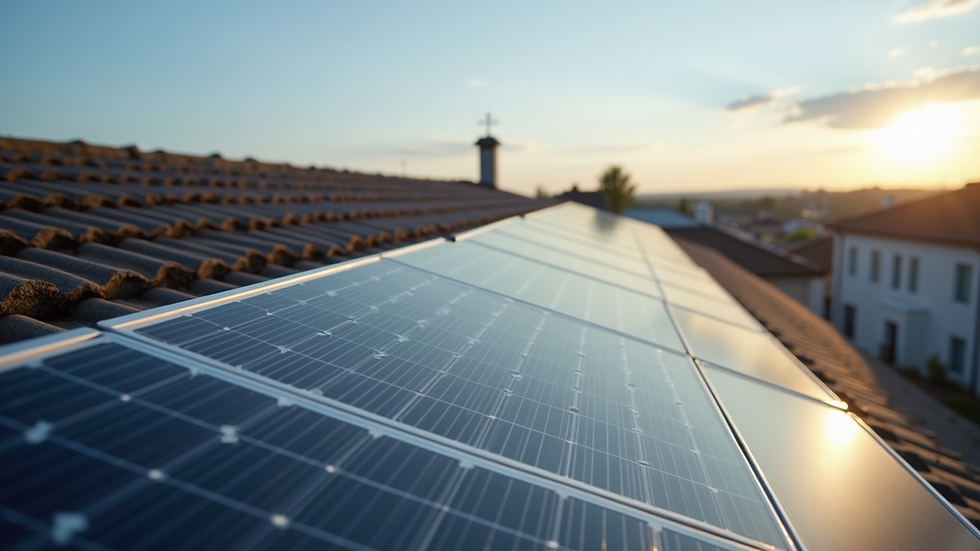
Factors That Affect How Much You Save with Solar Panels
Several key factors influence your solar energy cost savings:
1. Your Electricity Usage
The more electricity you use, the more you can potentially save. If your home consumes a lot of power, solar panels can offset a larger portion of your bill.
2. Solar Panel System Size
A bigger system produces more electricity, which means greater savings. However, it also costs more upfront. Finding the right balance is important.
3. Sunlight Exposure
Homes with good sun exposure get the most benefit. Shaded roofs or those facing away from the sun will produce less energy.
4. Local Electricity Rates
Higher utility rates mean bigger savings when you switch to solar. Connecticut’s rates are generally above the national average, which is great news for solar savings.
5. Incentives and Rebates
Connecticut offers various incentives that can reduce the upfront cost of solar panels, increasing your overall savings.
6. Financing Options
Whether you buy your system outright, lease it, or take out a loan affects your savings timeline and amount.
By considering these factors, you can estimate your potential savings more accurately.
What is the biggest downside to solar electricity?
While solar energy offers many benefits, it’s important to understand the biggest downside: the upfront cost. Installing solar panels requires a significant initial investment, which can be a barrier for some homeowners.
Other challenges include:
Weather dependency: Solar panels produce less energy on cloudy or snowy days.
Space requirements: You need enough roof space with good sun exposure.
Maintenance: Although minimal, solar panels require occasional cleaning and inspections.
Energy storage costs: If you want to store excess energy with batteries, that adds to the cost.
Despite these downsides, many homeowners find that the long-term savings and environmental benefits outweigh the initial hurdles.

How Much Do Solar Panels Save on Electricity Bills?
If you’re curious about how much do solar panels save on electricity bills, the answer varies but can be quite impressive. On average, solar panels can reduce your electricity bill by $600 to $1,200 per year depending on your system size and energy consumption.
For example, a 6 kW solar system in Connecticut might generate around 7,000 kWh annually. If your electricity rate is $0.20 per kWh, that’s about $1,400 in savings each year. Over 25 years, that adds up to $35,000 in savings, not including inflation or rising energy costs.
Here’s a simple way to estimate your savings:
Find your average monthly electricity usage (in kWh) from your utility bill.
Multiply by your local electricity rate.
Estimate the percentage of your electricity your solar system will cover.
Multiply your annual electricity cost by that percentage.
This will give you a rough idea of your yearly savings.
Tips to Maximize Your Solar Energy Savings
To get the most out of your solar investment, consider these tips:
Optimize your system size: Work with a solar expert to design a system that matches your energy needs.
Use energy-efficient appliances: Lower your overall consumption to increase the percentage offset by solar.
Take advantage of incentives: Apply for state and federal tax credits and rebates.
Monitor your system: Use apps or monitoring tools to track your solar production and spot issues early.
Consider battery storage: If you want to store excess energy for nighttime use, look into affordable battery options.
By following these steps, you can boost your solar energy cost savings and enjoy a more sustainable home.
Why Solar Energy is a Smart Choice for Connecticut Homeowners
Connecticut is a great place to invest in solar energy. The state offers strong incentives, has relatively high electricity rates, and plenty of sunny days to power your home. Plus, solar panels increase your home’s value and reduce your carbon footprint.
Switching to solar means you’re not just saving money - you’re also contributing to a cleaner, greener future for your community. It’s a win-win situation.
If you’re ready to explore solar options, start by getting a free consultation from a trusted local expert. They can help you understand your potential savings and guide you through the installation process.
Solar energy cost savings are real and achievable. With the right system and a bit of planning, you can enjoy lower bills, increased home value, and a positive environmental impact. Why wait? Solar power is a bright idea for your home and your wallet.


This is a really informative and easy-to-follow article on how solar panels can reduce energy costs. I especially liked the practical discussion around long-term savings and energy efficiency. Understanding the benefits of Residential Solar Systems makes it easier for homeowners to see how investing in solar can support both lower bills and a more sustainable future.