
Residential Solar Power Systems Explained
If you’ve been thinking about cutting your energy bills and making your home more eco-friendly, solar power is a fantastic option. I’m here to walk you through the basics of residential solar power systems, so you can feel confident about making the switch. Solar energy is not just for big companies or remote areas anymore - it’s accessible, affordable, and practical for homeowners like you, especially here in Connecticut.
What Is a Residential Solar Power System?
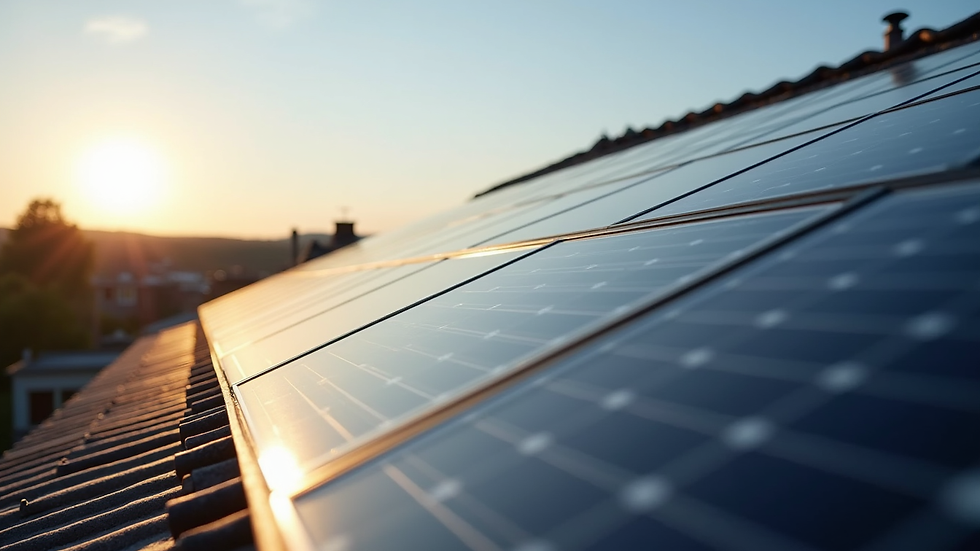
A residential solar power system is a setup that captures sunlight and turns it into electricity for your home. It’s made up of several key components working together:
Solar panels: These are the most visible part, usually installed on your roof. They collect sunlight and convert it into direct current (DC) electricity.
Inverter: This device changes the DC electricity from the panels into alternating current (AC), which your home appliances use.
Mounting system: This secures the panels to your roof or ground.
Electrical panel: Connects the solar system to your home’s wiring.
Battery storage (optional): Stores excess energy for use when the sun isn’t shining.
The system works by capturing sunlight during the day and powering your home. If you generate more electricity than you use, the extra can often be sent back to the grid, earning you credits or reducing your bill.
Why Choose Residential Solar Power in Connecticut?
Connecticut homeowners have a lot to gain from switching to solar power. The state offers several incentives and has a climate that supports solar energy well. Here’s why it makes sense:
Energy savings: Solar power can significantly reduce your monthly electricity bills. Over time, these savings add up.
Incentives and rebates: Connecticut offers programs that help lower the upfront cost of solar installations.
Increase home value: Homes with solar systems often sell for more.
Environmental impact: Solar energy reduces your carbon footprint and reliance on fossil fuels.
Energy independence: You become less vulnerable to rising energy prices and power outages.
By choosing solar, you’re investing in a cleaner, more sustainable future while keeping more money in your pocket.
How Residential Solar Power Systems Work
Understanding how your system works can help you get the most out of it. Here’s a simple breakdown of the process:
Sunlight hits the solar panels: The photovoltaic cells inside the panels absorb sunlight and generate DC electricity.
Electricity flows to the inverter: The inverter converts DC to AC electricity.
Power goes to your home: The AC electricity powers your lights, appliances, and devices.
Excess power goes to the grid or battery: If you produce more than you use, the extra energy can be sent back to the grid or stored in batteries for later use.
Meter tracks energy flow: Your utility meter records how much energy you use and how much you send back, which affects your bill.
This process happens every day, quietly and efficiently, helping you save money and reduce your environmental impact.
Choosing the Right Solar System for Your Home
Not all solar systems are the same, and picking the right one depends on your home’s needs and goals. Here are some factors to consider:
Roof condition and orientation: South-facing roofs with minimal shading are ideal. Your roof should be in good shape to support panels.
Energy consumption: Look at your past electricity bills to understand how much power you use.
System size: Larger systems produce more energy but cost more upfront. A professional can help size your system correctly.
Budget: Consider installation costs, incentives, and financing options.
Battery storage: Decide if you want to add batteries for backup power and greater energy independence.
Working with a trusted solar installer can help you navigate these choices and design a system tailored to your home.
Getting Started with Solar Power Systems for Residential Use
If you’re ready to explore solar, the first step is to get a professional assessment. A solar expert will evaluate your home’s solar potential, discuss your energy goals, and provide a detailed quote. You can learn more about solar power systems for residential use to see what options fit your needs.
Here’s what to expect next:
Site evaluation: The installer checks your roof, shading, and electrical setup.
System design: A custom plan is created based on your home and energy use.
Permitting and approvals: The installer handles local permits and utility approvals.
Installation: Panels and equipment are installed, usually within a few days.
Inspection and activation: After inspection, your system is connected and turned on.
Once your system is up and running, you’ll start seeing the benefits right away.
Tips for Maximizing Your Solar Investment
To get the most from your solar power system, keep these tips in mind:
Monitor your system: Use apps or monitoring tools to track energy production and usage.
Maintain your panels: Keep them clean and free of debris for optimal performance.
Adjust energy habits: Use high-energy appliances during the day when your system produces the most power.
Consider upgrades: Adding battery storage or expanding your system can increase savings.
Stay informed: Keep up with local incentives and programs that can help you save more.
By staying proactive, you’ll enjoy a smooth solar experience and maximize your return on investment.
Embracing a Brighter, Greener Future
Switching to solar power is a smart move that benefits your wallet and the planet. With the right system, you can enjoy lower energy bills, increased home value, and the satisfaction of using clean, renewable energy. If you’re ready to take the next step, reach out to a local expert who understands Connecticut’s unique solar landscape.
Solar power is more than just technology - it’s a lifestyle choice that empowers you to make a positive impact. Let’s make your home a shining example of sustainability and savings.
Ready to start your solar journey? The sun is waiting!


Comments