
How Solar Panels Lower Your Electricity Bills: Unlocking Solar Electricity Savings
Switching to solar energy is one of the smartest moves you can make to reduce your electricity bills. If you’ve been curious about how solar panels actually save you money, you’re in the right place. I’ll walk you through the key ways solar panels lower your electricity costs, explain some important details, and share practical tips to help you get the most out of your solar investment.
Understanding Solar Electricity Savings: How Solar Panels Cut Costs
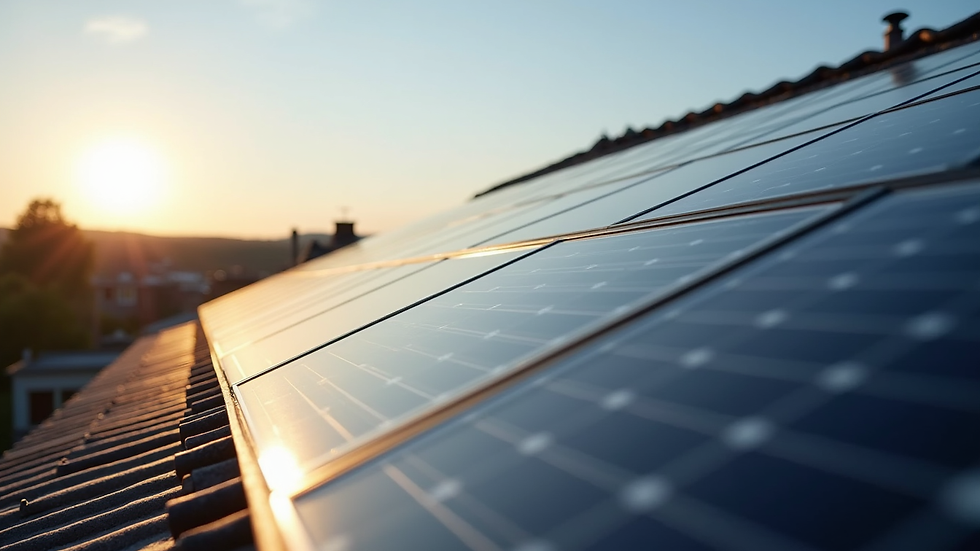
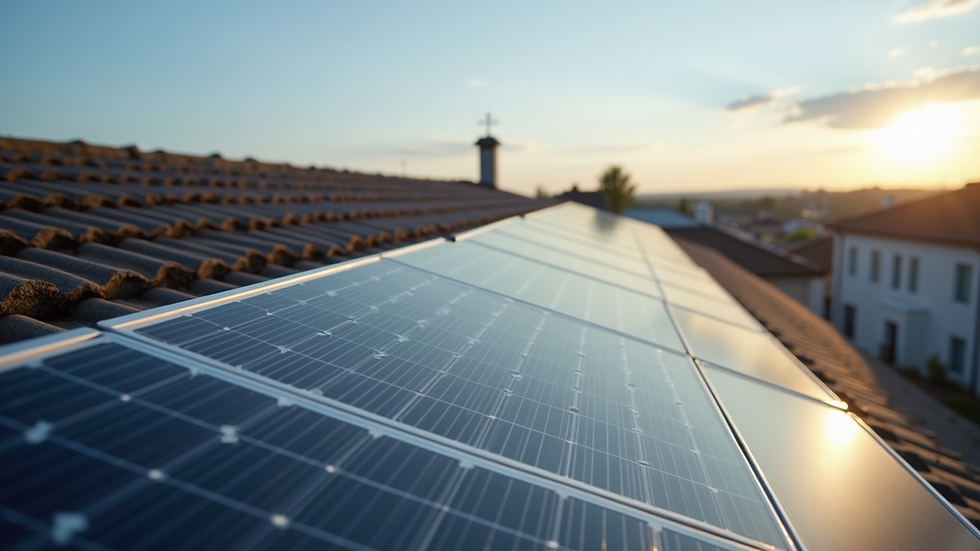
When you install solar panels on your home, you’re essentially creating your own power source. Instead of buying all your electricity from the grid, your solar system generates clean energy from sunlight. This means you use less electricity from your utility company, which directly lowers your monthly bills.
Here’s how it works in simple terms:
Solar panels convert sunlight into electricity. During the day, your panels produce power that your home uses first.
Excess energy can be sent back to the grid. Many utility companies offer net metering, which credits you for the extra electricity your panels generate.
You buy less electricity from the utility. This reduces your overall energy costs.
For example, if your home uses 1,000 kWh of electricity per month and your solar panels generate 700 kWh, you only pay for the remaining 300 kWh. That’s a big savings!

How Much Do Solar Panels Save on Electricity Bills?
One of the most common questions I get is, how much do solar panels save on electricity bills? The answer depends on several factors like your system size, energy usage, and local electricity rates. But on average, homeowners can expect to save 20% to 70% on their electricity bills after installing solar panels.
In Connecticut, where electricity rates are higher than the national average, solar panels can make an even bigger impact. Plus, state incentives and federal tax credits can reduce your upfront costs, making solar more affordable.
To get a clearer picture of your potential savings, you can use online calculators or consult with a local solar expert who understands Connecticut’s energy market.
What is the Biggest Downside to Solar Electricity?
While solar energy offers many benefits, it’s important to consider some challenges before making the switch.
Initial investment cost. Solar panel systems require upfront spending, though prices have dropped significantly in recent years.
Weather dependency. Solar panels produce less energy on cloudy or snowy days, which can affect your savings.
Space requirements. You need enough roof space with good sun exposure to install an effective system.
Maintenance. Solar panels require minimal upkeep but should be cleaned and inspected periodically.
Despite these downsides, the long-term savings and environmental benefits often outweigh the initial hurdles. Plus, many homeowners find that financing options and incentives make solar more accessible than ever.

Practical Tips to Maximize Your Solar Electricity Savings
To get the most out of your solar panels and lower your electricity bills even further, consider these actionable tips:
Optimize your energy usage. Run major appliances like washers, dryers, and dishwashers during daylight hours when your panels are producing power.
Invest in energy-efficient appliances. The less electricity you use, the more your solar system can cover your needs.
Monitor your system’s performance. Use apps or monitoring tools to track how much energy your panels generate and adjust your habits accordingly.
Consider battery storage. Adding a solar battery lets you store excess energy for use at night or during outages, increasing your savings.
Schedule regular maintenance. Keep your panels clean and free of debris to maintain peak efficiency.
By combining solar power with smart energy habits, you can significantly reduce your reliance on the grid and enjoy lower utility bills year-round.
Why Solar Energy is a Smart Choice for Connecticut Homeowners
Connecticut homeowners have a unique opportunity to benefit from solar energy. The state offers several incentives, including rebates and tax credits, that make solar installation more affordable. Plus, Connecticut’s electricity rates are among the highest in the country, so switching to solar can lead to substantial savings.
Solar energy also supports a cleaner environment by reducing your carbon footprint. By generating your own electricity, you’re helping to decrease reliance on fossil fuels and contributing to a greener future.
If you’re ready to take control of your energy costs and make a positive impact, solar panels are a fantastic investment. With the right system and a bit of planning, you can enjoy reliable, affordable electricity for years to come.
Switching to solar power is more than just a trend - it’s a smart financial and environmental decision. By understanding how solar panels lower your electricity bills and taking steps to maximize your savings, you’re setting yourself up for a brighter, more sustainable future. Ready to explore your options? The sun is shining on your chance to save!

Comments