
How Solar Energy Saves You Money on Utilities
In today's world, rising utility costs can be a significant burden on households and businesses alike. As energy prices continue to climb, many are seeking alternative solutions to reduce their monthly expenses. One of the most effective ways to achieve this is through solar energy. By harnessing the power of the sun, you can not only decrease your utility bills but also contribute to a more sustainable future. In this blog post, we will explore how solar energy can save you money on utilities, the various financial incentives available, and practical steps to make the switch.

Understanding Solar Energy
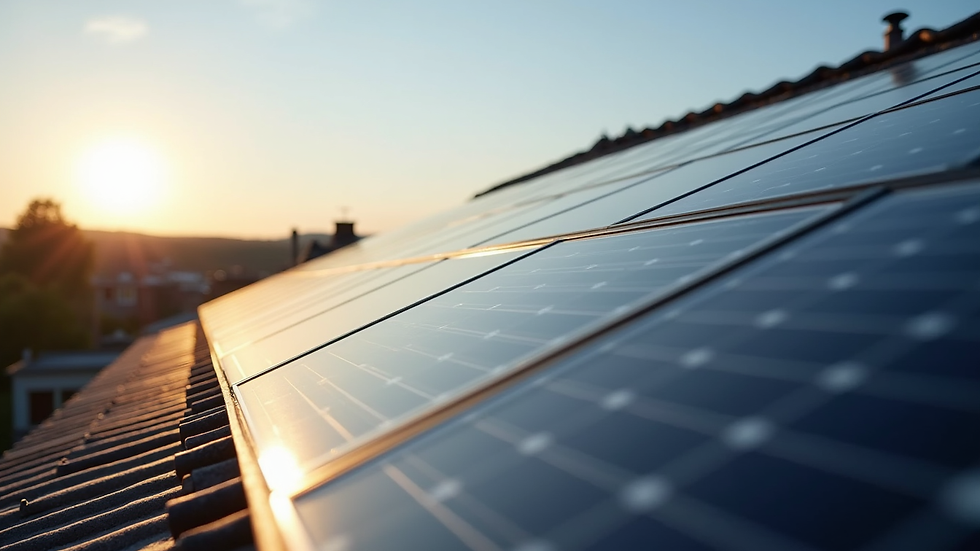
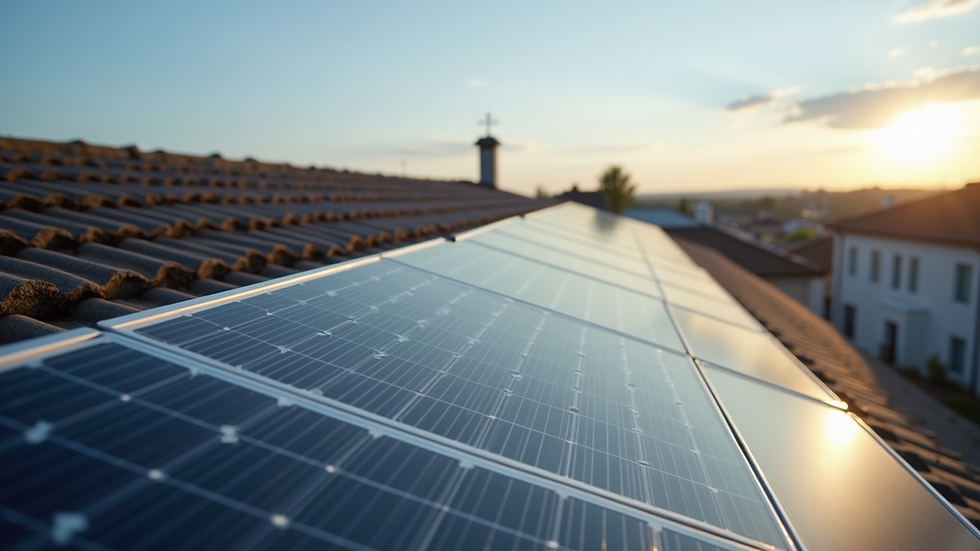
Solar energy is derived from sunlight and can be converted into electricity or heat. This renewable energy source is harnessed through solar panels, which are typically installed on rooftops or in open areas. The two main types of solar energy systems are:
Photovoltaic (PV) Systems: These systems convert sunlight directly into electricity using solar cells. This electricity can be used to power your home or business, reducing reliance on the grid.
Solar Thermal Systems: These systems use sunlight to heat water or air for residential or commercial use, such as heating pools or providing hot water.
The Financial Benefits of Solar Energy
Switching to solar energy offers numerous financial advantages. Here are some key ways solar energy can save you money on utilities:
1. Lower Electricity Bills
One of the most immediate benefits of installing solar panels is the reduction in your electricity bills. By generating your own electricity, you can significantly decrease the amount you pay to your utility company. In many cases, homeowners report savings of 50% or more on their monthly energy costs.
2. Net Metering
Many states offer net metering programs, which allow you to sell excess electricity generated by your solar panels back to the grid. This means that during sunny days, when your system produces more energy than you consume, you can receive credits on your utility bill. These credits can offset your energy costs during months when your solar production is lower.
3. Tax Incentives and Rebates
The federal government and many states offer tax incentives and rebates for solar energy installations. For example, the Federal Investment Tax Credit (ITC) allows you to deduct a significant percentage of the cost of your solar system from your federal taxes. Additionally, some states provide cash rebates or tax credits that can further reduce the upfront costs of solar installation.
4. Increased Home Value
Investing in solar energy can also increase the value of your home. Studies have shown that homes with solar panel systems sell for more than those without. This means that not only do you save on utilities while you live in your home, but you can also recoup some of your investment when it comes time to sell.
5. Protection Against Rising Energy Costs
Utility rates are expected to continue rising in the coming years. By investing in solar energy, you can lock in your energy costs and protect yourself from future price increases. This stability can be particularly beneficial for budgeting and long-term financial planning.
How to Get Started with Solar Energy
Making the switch to solar energy may seem daunting, but it can be a straightforward process. Here are some practical steps to help you get started:
1. Assess Your Energy Needs
Before installing solar panels, it's essential to understand your energy consumption. Review your utility bills from the past year to determine your average monthly usage. This information will help you choose the right size solar system for your needs.
2. Research Solar Providers
Take the time to research local solar providers. Look for companies with positive customer reviews, strong warranties, and experience in the industry. Request quotes from multiple providers to compare pricing and services.
3. Explore Financing Options
There are several financing options available for solar installations, including:
Cash Purchase: Paying for the system upfront can provide the best return on investment.
Solar Loans: Many banks and credit unions offer loans specifically for solar installations, allowing you to pay over time.
Leases and Power Purchase Agreements (PPAs): With these options, a third-party company owns the solar system, and you pay a monthly fee or purchase the electricity generated at a predetermined rate.
4. Understand Local Regulations
Before installation, familiarize yourself with local regulations and permitting requirements. Some areas may have specific guidelines for solar installations, including zoning laws and building codes.
5. Monitor Your System
Once your solar panels are installed, it's essential to monitor their performance. Many systems come with monitoring software that allows you to track energy production and consumption. This information can help you identify any issues and ensure you're maximizing your savings.
Common Misconceptions About Solar Energy
Despite the numerous benefits of solar energy, several misconceptions may deter potential users. Here are a few common myths debunked:
Myth 1: Solar Energy is Too Expensive
While the upfront costs of solar installation can be significant, the long-term savings often outweigh these initial expenses. With tax incentives, rebates, and financing options, many homeowners find solar energy to be a financially viable option.
Myth 2: Solar Panels Don't Work in Cloudy Weather
Solar panels can still generate electricity on cloudy days, although their efficiency may be reduced. In fact, solar panels can produce energy even in low-light conditions, making them a reliable energy source year-round.
Myth 3: Solar Energy is Only for Warm Climates
Solar energy can be harnessed in various climates, not just sunny ones. Many regions with cooler temperatures still receive enough sunlight to make solar energy a practical choice.
Conclusion
Switching to solar energy is not only an environmentally friendly choice but also a financially savvy one. By reducing your utility bills, taking advantage of tax incentives, and increasing your home's value, solar energy can provide significant savings over time. As energy costs continue to rise, now is the perfect time to consider making the switch.
Take the first step towards energy independence and financial savings by exploring solar energy options today. Your future self will thank you for it!

Comments