
Choosing the Right Residential Solar Power System: Your Guide to Home Solar Solutions
Switching to solar energy is an exciting step toward saving money and helping the environment. If you’re thinking about installing solar panels on your home, you might feel overwhelmed by all the options. Don’t worry - I’m here to walk you through the process of choosing the right residential solar power system. Together, we’ll explore what matters most for your home, your budget, and your energy goals.
Understanding Home Solar Solutions: What You Need to Know
Before diving into the technical details, it’s important to understand the basics of home solar solutions. Solar panels capture sunlight and convert it into electricity you can use in your home. This reduces your reliance on the grid and lowers your utility bills. But not all solar systems are the same. Here are some key points to consider:
System Size: How much energy do you use? Your system should match your household’s electricity needs.
Panel Type: There are monocrystalline, polycrystalline, and thin-film panels. Each has different efficiency levels and costs.
Inverter Options: The inverter converts the DC power from panels into AC power for your home. String inverters, microinverters, and power optimizers are common choices.
Battery Storage: Do you want to store excess energy for nighttime use or emergencies? Batteries add flexibility but also cost.
Roof Condition and Orientation: Your roof’s age, angle, and direction affect how well solar panels perform.
By understanding these factors, you’ll be better prepared to make smart decisions that fit your home and lifestyle.
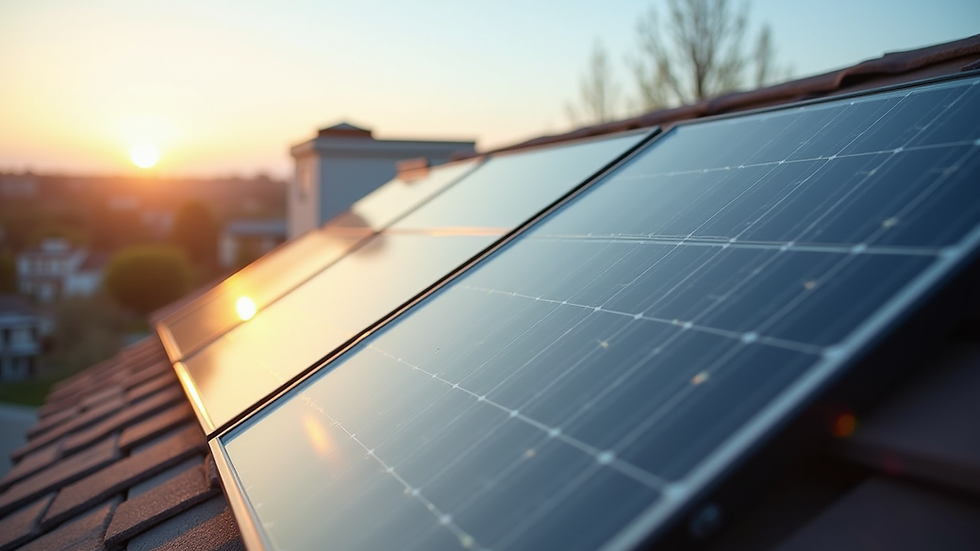
How to Choose the Best Home Solar Solutions for Your Connecticut Home
Living in Connecticut means you have unique weather and energy considerations. Solar power can still be very effective here, but you want to tailor your system to local conditions. Here’s how to approach it:
Assess Your Energy Usage
Look at your past utility bills to find your average monthly electricity consumption. This helps determine the size of the system you need.
Evaluate Your Roof
A south-facing roof with minimal shading is ideal. If your roof faces east or west, or has shading from trees, you might need more panels or specialized equipment.
Consider Local Incentives
Connecticut offers incentives and rebates that can reduce your upfront costs. Check for state and federal tax credits, as well as any local programs.
Decide on Battery Storage
If you want backup power during outages or to maximize self-consumption, adding batteries is a smart choice. Otherwise, a grid-tied system without storage is simpler and less expensive.
Choose Quality Equipment
Look for panels and inverters with good warranties and proven performance. Quality equipment lasts longer and performs better over time.
Get Multiple Quotes
Talk to several installers to compare prices, equipment, and service. A reputable installer will also help you navigate permits and inspections.
By following these steps, you’ll find a home solar solution that fits your needs and budget perfectly.
Breaking Down the Components of a Residential Solar Power System
To feel confident about your choice, it helps to know what makes up a solar power system. Here’s a simple breakdown:
Solar Panels: These are the heart of the system. They capture sunlight and turn it into electricity. Monocrystalline panels are the most efficient but cost more. Polycrystalline panels are a bit less efficient but more affordable.
Inverter: Converts the electricity from the panels into usable power for your home. String inverters are common and cost-effective. Microinverters attach to each panel and optimize performance individually, which is great if shading is an issue.
Mounting System: This secures the panels to your roof. It must be sturdy and weather-resistant.
Battery Storage (Optional): Stores excess energy for use when the sun isn’t shining. Lithium-ion batteries are popular for their efficiency and lifespan.
Monitoring System: Lets you track your system’s performance in real time, often through a smartphone app.
Understanding these parts helps you ask the right questions and make informed decisions.

Why Choosing the Right Installer Matters
Even the best solar panels won’t perform well if they’re not installed correctly. Choosing a trustworthy installer is just as important as choosing the right equipment. Here’s what to look for:
Experience and Reputation: Find installers with strong local experience and positive customer reviews.
Licensing and Insurance: Make sure they are licensed to work in Connecticut and carry proper insurance.
Transparent Pricing: A good installer will provide a clear, detailed quote without hidden fees.
Customer Support: You want a company that will be there for you after installation, for maintenance and any questions.
Knowledge of Local Regulations: Solar installations require permits and inspections. Your installer should handle this smoothly.
A great installer will guide you through the entire process, making your solar journey stress-free and successful.
Taking the Next Step Toward Solar Energy Savings
Choosing the right residential solar power system is a big decision, but it’s one that pays off in the long run. By carefully considering your energy needs, roof conditions, and budget, you can find a system that works perfectly for your home. Remember, investing in solar is not just about saving money - it’s about contributing to a cleaner, greener future.
If you want to explore options and get personalized advice, don’t hesitate to reach out to local experts. They can help you navigate the details and find the best fit. And if you want to learn more about solar power systems for residential use, there are plenty of resources available to guide you.
Solar energy is a smart, sustainable choice that benefits you and your community. Take the leap today and enjoy the sunshine powering your home!
I hope this guide helps you feel confident and excited about choosing your home solar solutions. The future is bright with solar!

Comments